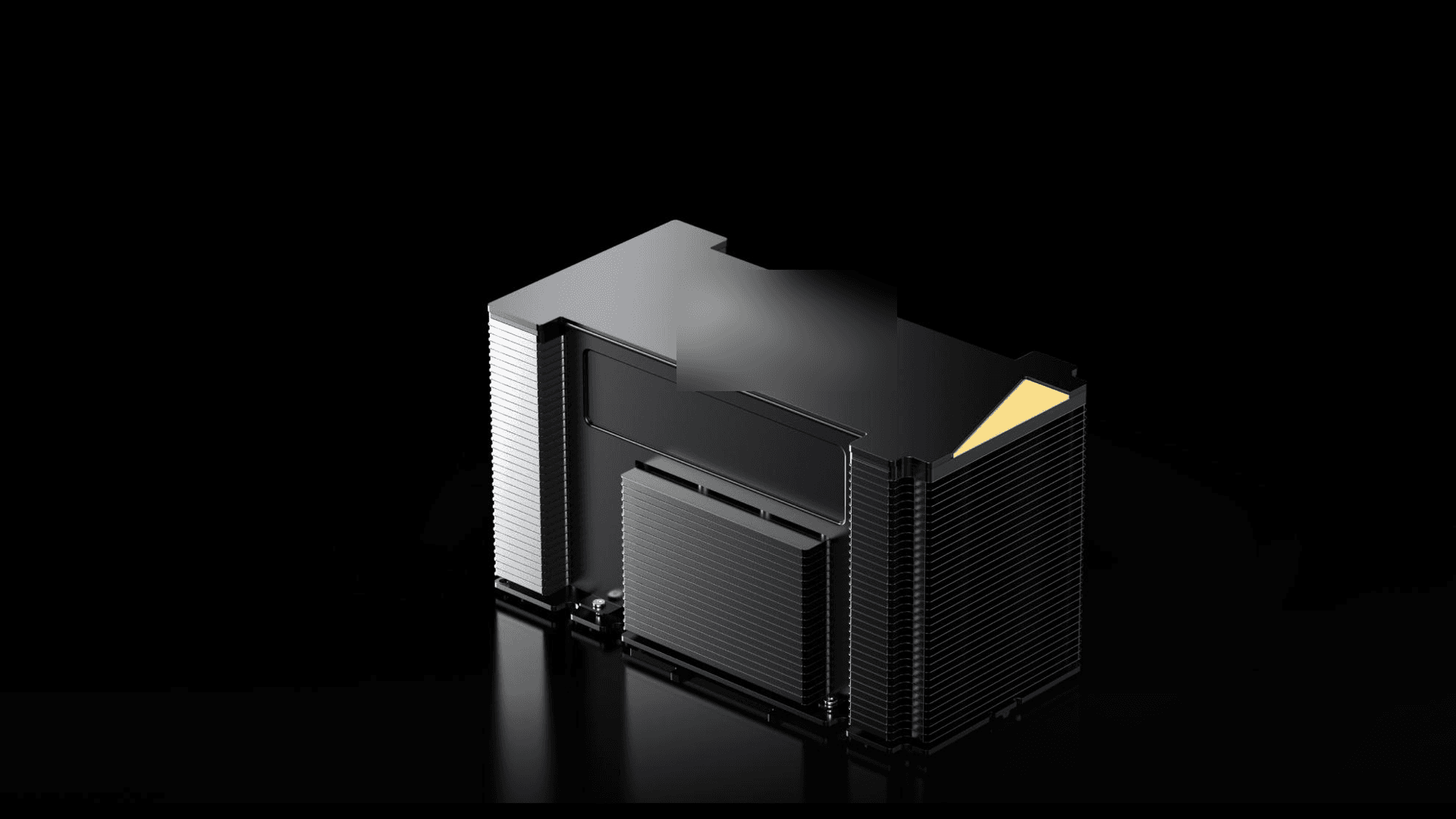
Moore Threads says its MTT S5000 AI training and inference card and MUSA software stack have completed day-zero adaptation for Moonshot AI's Kimi K3.1 Pro. The work connects model loading, service startup and basic text and image inference, according to the company's announcement reported by IT Home on November 6.
The announcement describes functional deployment rather than a published performance comparison. Moore Threads said it migrated the model's key inference paths and enabled stable execution on MTT S5000, but the report did not provide throughput, latency, power consumption or the number of cards used. Its day-zero description is the company's characterization; Moonshot released the full model weights on November 4.
At the framework level, the team used SGLang-MUSA to build on the upstream model implementation. The migration also involved the MATE operator library, Triton-MUSA, TileLang-MUSA and the MTCC compiler. MUSA covers framework execution, operator compilation, device runtime and communication across multiple cards, allowing developers to reuse existing interfaces while adapting new computation paths.
Much of the model-specific work concerned attention and memory handling. For DSA sparse attention, the stack adapts index selection, key-value cache layout and both prefill and decoding. Moore Threads said MATE sparse-attention operators work alongside Kimi Delta Attention state management, cross-layer residual connections and visual attention to form the execution chain.
The model's MXFP4 expert weights present another deployment issue. Rather than generating a complete offline FP8 copy before serving, the team converts weights online and reuses an FP8 workspace across layers for expert computation. The announcement presents this as a way to bring the very large model into service without first preparing a separate full set of converted weights.
Kimi K3.1 Pro supports a context window of about one million tokens and targets coding, visual understanding and long-running agent tasks. The new adaptation adds another hardware option for deploying its open weights, while leaving measured service capacity and production configuration details undisclosed.
SEE ALSO:
评论交流(0)
登录后即可参与评论交流,立即登录 / 注册
还没有评论,来抢沙发~